Why TPO Roof Coatings Fail When Applied Incorrectly and How Proper Surface Prep Makes the Difference
TPO roofing delivers strong protection for commercial buildings, industrial facilities, and large residential properties across Tyler, TX and the surrounding areas. Many property owners choose TPO because it handles heat well, reflects sunlight, and stays flexible through strong seasonal changes. As the roof ages, owners start to look for ways to extend its life without replacing the entire system. A roof coating often feels like the simplest solution. When done right, a coating strengthens the surface, seals weak spots, and gives the roof new weather protection. When done wrong, it turns into one of the biggest sources of roof failure.
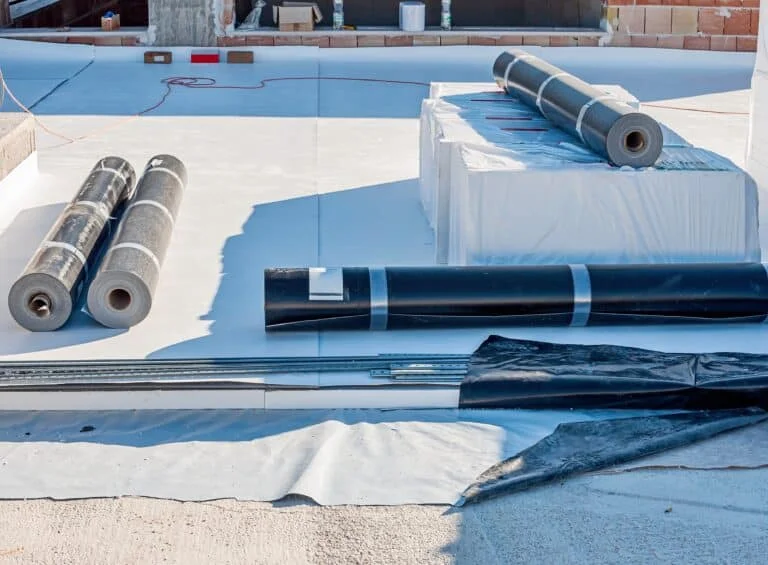
Coatings do not fix every problem on a TPO roof. The coating sticks only when the surface stays clean, dry, strong, and fully prepared. A rushed installation or poorly cleaned surface creates wide areas where the coating lifts or bubbles. That lift breaks the seal that keeps moisture out. Once the coating fails, water finds its way under the membrane, the roof weakens, and the property owner faces bigger issues than before.
Many building owners in Tyler want to understand why coatings fail and what steps keep them from failing again. A closer look at surface prep and the coating process helps owners make confident decisions about roof care.
Why TPO Roof Coatings Fail Without Proper Prep
TPO roofing needs a clean, stable surface for any coating to bond well. A coating that sits on dirt, oils, residue, or loose material peels away fast. It might look fine on day one, but the Texas sun, wind, and rain pull the coating loose and turn it into flakes or bubbles.
Several common issues lead to coating failure:
Surface Contamination
Dirt, pollen, dust, bird droppings, HVAC oils, and grease collect on TPO roofs around Tyler throughout the year. A coating sticks only when the surface stays clean. If any contamination remains, the coating detaches and leaves exposed TPO underneath.
Moisture Trapped Under the Coating
A coating needs a dry surface. Even a small amount of hidden moisture creates blistering. That blister spreads as the roof heats up during the day. Tyler’s heat expands the moisture and lifts the coating, which weakens the entire system.
Weak or Aged TPO Surface
Older TPO membranes change texture over time. The surface may chalk, oxidize, or develop small cracks. A coating does not fix structural weakness. The installer has to treat or reinforce weak areas before applying the coating. Ignoring weak points creates sections where the coating wears off first.
Improper Cleaning Methods
Scrubbing without rinsing, rinsing without deep cleaning, or using the wrong cleaners all affect adhesion. Some cleaners leave residue that blocks coatings from bonding.
Coating Applied Too Thick or Too Thin
A coating needs the right thickness. A layer that is too thin cracks early. A layer that is too thick traps heat, softens the TPO, and pulls away during temperature swings.
Each of these issues ties back to one core problem: improper surface prep. A strong coating succeeds only when the surface receives thorough, careful, detailed preparation.
Why Proper Surface Prep Makes the Biggest Difference
Surface prep creates a clean and stable foundation for the coating to bond well. People sometimes view prep as the slowest or most tedious stage, but it keeps the coating from failing under heat, storms, or normal foot traffic.
Deep Cleaning Removes Hidden Grime
A power washer alone does not remove all contaminants. TPO roofs often collect oily residue from HVAC units. Dust from nearby roads settles into the surface. Pollen builds up across spring months in East Texas. A deep cleaning lifts those layers and restores the membrane so the coating can grip firmly.
Repair Work Strengthens the Roof Before Coating
Surface prep also includes repairing seams, loose flashing, punctures, and weak edges. Coating over damage traps the problem under a fresh layer. Strong prep isolates each issue and corrects it before any coating touches the membrane. This process protects the TPO and extends the life of the coating itself.
Drying Ensures Strong Bonding
A coating bonds only when the surface stays fully dry. Even small drops of water in the pores of the membrane affect adhesion. Tyler Roof Repair often uses dry-time checks to confirm that the membrane sits in the right condition before any coating begins. This step helps property owners avoid bubbling and peeling.
Primers Improve Adhesion
Some TPO roofs need a primer to help the coating bond. Older membranes, oxidized surfaces, or areas exposed to chemicals may not accept coating without the right primer. Skilled installers know which primers work best and which roofs need them.
A property owner gains a stronger, cleaner, longer-lasting roof when every prep step receives careful attention. This process protects the coating and helps it perform at its best.
How Weather Conditions Affect TPO Roof Coatings
Tyler, TX weather shifts quickly. Coating application needs steady conditions so it bonds evenly. Heat, wind, and humidity all play a role.
Heat
Texas heat speeds up drying time. Drying too fast weakens the bond and leads to peeling. Skilled installers adjust timing so the coating cures at a proper pace.
Humidity
High humidity slows drying, which increases the risk of trapping moisture. The installer needs to check the surface to confirm that it stays dry before coating begins.
Wind
Strong wind blows dirt into wet coating. Even small debris compromises the surface and creates weak spots.
These conditions make proper scheduling an important part of prep. The installer times the project for the best weather window so the coating sets correctly.
Why TPO Coating Failure Leads to Bigger Roof Problems
A failed coating creates break points where water slips under the membrane. Water spread under a TPO roof causes:
-
Insulation damage
-
Mold growth
-
Interior leaks
-
Soft spots
-
Membrane separation
-
Structural stress
A coating does not exist just to look smooth. It protects the membrane and strengthens the roof. Any failure puts the entire system at risk. When property owners trust a professional roofing team, they gain better protection and a stronger, longer-lasting roof.
How Skilled Installers Extend the Life of a TPO Roof
A skilled roofing team understands TPO behavior, heat levels, cleaning needs, primer requirements, and weather timing. That knowledge creates:
-
High-performing coatings
-
Stronger adhesion
-
Longer-lasting seams
-
Better water resistance
-
Reduced roof stress during Texas summers
Tyler Roof Repair uses this approach on TPO roofs throughout Tyler and surrounding areas so property owners receive long-term value and confidence in their roofing system.
FAQs About TPO Coating Failure in Tyler, TX
What causes TPO roof coatings to fail the fastest?
Coatings fail quickly when dirt, moisture, or residue stay on the surface. Poor cleaning or skipped prep steps cause early peeling.
How can I tell if my TPO coating did not bond correctly?
Signs include bubbles, peeling edges, soft spots, discoloration, or areas where water sits for long periods.
Does Texas heat make coatings fail faster?
Heat affects drying time and surface texture. Skilled installers adjust timing and technique to protect against heat-related issues.
Can a failed TPO coating be repaired?
A failed coating often needs removal in the damaged areas, fresh prep work, and a new application. Repairs depend on membrane condition.
How often should a TPO roof receive inspections after coating?
Inspections twice each year help identify early damage, surface changes, or wear before the coating’s protection weakens.
Call Tyler Roof Repair at for expert TPO coating prep, repairs, inspections, and flat roofing support in the Tyler TX area.