
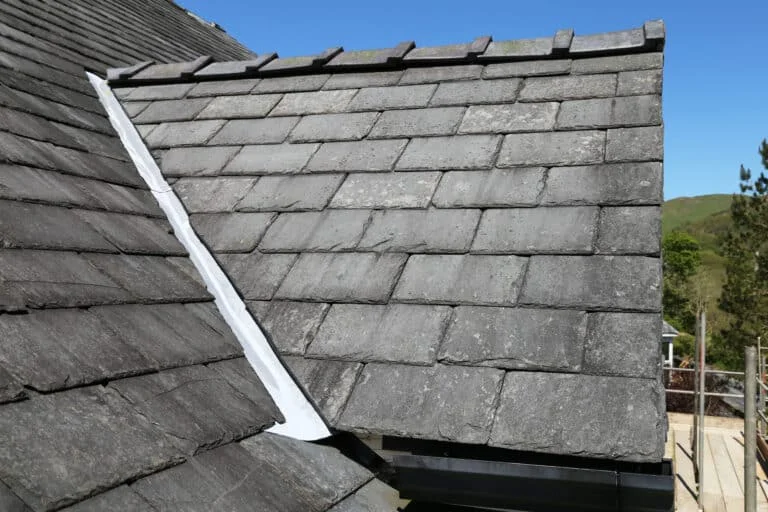
Tyler Roof Repair handles roofing lead repairs in Tyler, TX and across East Texas, addressing the lead flashing and lead-lined penetrations that protect valleys, pipes, chimneys, and other vulnerable roof openings from water intrusion. Lead is a durable flashing material that has been used on roofs for generations, but it does deteriorate, crack, and pull away from the surfaces it seals over time, particularly under the thermal cycling that East Texas roofs experience through summer heat and cooler months. Our licensed, bonded, and insured crew inspects every flashing detail carefully and repairs or replaces lead components with materials and workmanship that match the original intent of the installation. Read what local property owners say about our flashing work at our Yelp listing. Call 903-426-1151 any time to schedule a flashing inspection and get a straight answer on what your roof actually needs.
Most roof leaks in Tyler-area homes and commercial buildings do not come from failed shingles or worn membrane. They come from the transitions: where the roof meets a chimney, where a pipe boot seals around a plumbing vent, where flashing wraps a parapet wall or terminates at a skylight curb. These joints and flashings are where water finds its way in first, and fixing them correctly requires finding out why they failed, not just covering the gap.
Where Roof Leaks Actually Start
Flashing and lead work bridges the gaps between roofing materials and the other things that penetrate or terminate a roof surface. When properly installed, it is invisible. When it fails, water follows the path of least resistance into the building, often traveling several feet from the entry point before showing up as a ceiling stain or drip.
Common flashing failure points on Tyler-area roofs include chimney step and counter flashing that has separated from the masonry, pipe boot seals that have hardened and cracked in the heat, valley flashing on older shingle roofs where the metal has corroded or shifted, parapet wall coping and flashing on commercial buildings where thermal movement has opened seams, and HVAC curb flashings on flat roofs that were not installed with proper overlap or have since separated.
Signs the Flashing Is the Problem
A ceiling stain directly below a chimney, skylight, or vent stack is a strong indicator that flashing is the issue rather than the field of the roof itself. Leaks that appear only during wind-driven rain often trace back to improper flashing overlap or missing kick-out flashing at wall-to-roof transitions. If you have a leak that seems to move, showing up in different spots after different storms, that usually means water is entering at a high point and tracking along a rafter or inside a wall before it drops.
How We Approach Flashing and Leak Repairs
We start by finding the actual entry point, which is not always obvious and is rarely directly above where water appears inside. We trace the path back using the roof geometry, the surrounding conditions, and in some cases water testing. Once we know where it is entering, we repair the flashing or seal correctly, using the right materials for the substrate and exposure rather than packing sealant over the gap and hoping it holds.
A proper chimney flashing repair involves removing the failed counter flashing, repointing or cutting a proper reglet in the masonry, installing new lead or aluminum counter flashing, and lapping it correctly over the step flashing below. Done right, it lasts decades. A bead of caulk over the same joint lasts one or two seasons.
Why Getting the Diagnosis Right Matters
The most expensive roof leak is one that gets patched in the wrong location and then causes interior damage through the next storm season before anyone realizes the original repair did not address the source. We would rather take the time to trace a leak properly than hand you a bill for work that does not fix the problem.
Schedule a free leak assessment and we will find the source, explain what is wrong, and fix it to last.