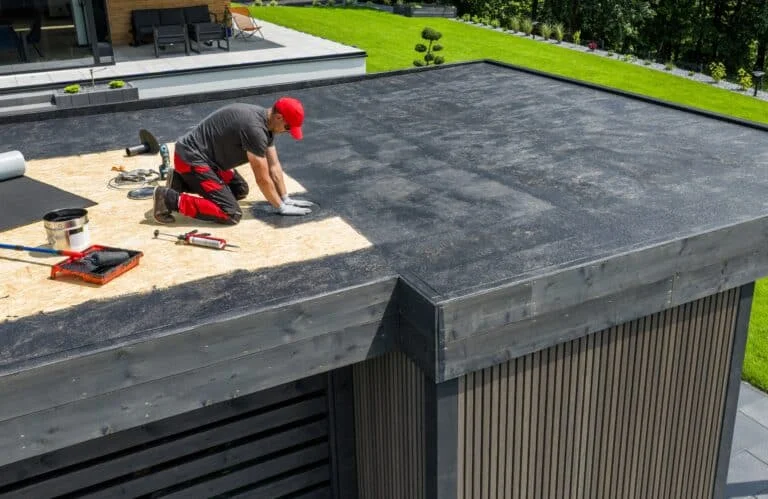
Tyler Roof Repair provides complete flat roofing services in Tyler, TX and surrounding East Texas communities, covering new installations, repairs, and long-term maintenance for commercial and residential properties with low-slope or zero-pitch roof systems. Flat roofs require materials and workmanship suited to East Texas conditions, including heavy spring rains, summer heat, and the occasional hail event that moves through Smith County and the surrounding region. Our licensed, bonded, and insured team has spent over 20 years working flat roofs in this area, carrying experience with TPO, EPDM, modified bitumen, and built-up systems. Every project starts with a straight assessment, not a sales pitch, because this company was built on the principle that repair should always come before replacement when the roof can support it. Tyler Roof Repair is 100% recommended on Facebook by East Texas property owners. Call 903-426-1151 any time.
Flat and low-slope roofing covers most commercial buildings in East Texas and a meaningful share of residential additions, garages, and modern homes. If you own a property with a flat roof, understanding how these systems work and what they require is useful whether you are dealing with an active problem or just trying to stay ahead of one.
We install, repair, and maintain flat roofing systems of all types across Tyler and the surrounding area.
How Flat Roofing Systems Differ From Pitched Roofs
A pitched roof sheds water by gravity. A flat roof drains by slope and drainage design, typically at 1/4 inch per foot toward drains or scuppers. That is enough to move water off a well-installed system, but it means drainage has to be designed correctly from the start and kept clear. A clogged drain on a flat roof is not a minor inconvenience; it is standing water that adds weight, accelerates membrane wear, and eventually finds a way inside.
The other major difference is that flat roofing systems rely on membrane integrity rather than overlapping units. One failed seam or one deteriorated flashing around a penetration is enough to let water in, and that water can travel a considerable distance inside the building before it shows up as a visible leak. Finding the entry point is a diagnostic skill, not just a visual check.
Flat Roofing Systems We Work With
TPO (Thermoplastic Polyolefin): single-ply membrane with heat-welded seams, reflective white surface, and good resistance to UV and puncture. The most commonly installed commercial flat roofing system in Texas today.
EPDM (rubber roofing): synthetic rubber membrane with adhesive-bonded seams. Longer track record than TPO, lower cost per square foot, but seams require more maintenance over time.
PVC (polyvinyl chloride): heat-welded like TPO but with better chemical resistance. The choice for restaurants and industrial facilities where grease or chemical exposure is a factor.
Modified bitumen: two-ply asphalt-based system, either torch-applied or cold-process. More layers than single-ply membranes, easier to patch, and well-suited to roofs with high foot traffic.
Built-up roofing (BUR): multiple layers of asphalt and felt, finished with gravel. Less common on new construction but still found on older commercial buildings throughout East Texas.
Choosing the Right System for Your Building
For a standard commercial building or office space, TPO is a practical default: good energy performance, competitive cost, and a straightforward repair process. For buildings with chemical exposure or where seam performance over decades matters more than upfront cost, PVC is worth the premium. For a flat roof with regular rooftop access and equipment maintenance traffic, modified bitumen’s multi-layer durability is an advantage.
We will assess your building’s use, drainage, slope, and existing conditions before recommending a system, and we will tell you when your current roof has serviceable life left rather than defaulting to replacement.
Frequently Asked Questions
What flat roofing services does Tyler Roof Repair provide in Tyler, TX?
Tyler Roof Repair provides complete flat roofing services in Tyler, TX and across East Texas, including new installation, repair, maintenance, and replacement for commercial and residential flat and low-slope roof systems. We work with TPO, EPDM, modified bitumen, PVC, and built-up roofing materials and approach every project with a repair-first philosophy. Call 903-426-1151 to schedule a free flat roofing assessment.
What flat roofing materials are most common on East Texas commercial buildings?
TPO and EPDM single-ply membranes are the most common flat roofing systems on commercial buildings in East Texas today. Modified bitumen is widely used on older commercial properties and certain residential applications. PVC is used on properties where chemical resistance is a priority. Built-up roofing with gravel or cap sheet surfacing is found on many older structures throughout the region, and all of these systems are ones we work on.
Is flat roofing suitable for residential properties in Tyler, TX?
Yes. Flat or low-slope roofing is used on residential properties with flat architectural styles, rear additions, covered carports, and certain manufactured homes. In East Texas, these systems require proper installation and maintenance to handle the heavy seasonal rainfall and heat exposure. A well-installed and maintained flat roof on a residential property can perform reliably for decades.
How does Tyler Roof Repair approach a new flat roof installation?
Every new flat roof installation begins with an assessment of the substrate, drainage requirements, and the specific demands of the building and its use. We select materials appropriate for the application and the East Texas climate and install them with careful attention to the seam and flashing details that most commonly cause flat roof failures. Every installation includes a post-completion inspection before we leave the property.
What are the most important maintenance tasks for flat roofs in East Texas?
The most critical maintenance tasks for East Texas flat roofs include keeping drains and scuppers clear of debris, inspecting seams and flashings at least once per year, addressing any visible membrane separation or puncture promptly, and checking for standing water after rainfall. A flat roof that is inspected and maintained consistently will outlast one that is only addressed when a leak becomes obvious.
How do I know which flat roofing material is right for my property?
The right flat roofing material depends on the type of building, the slope of the roof, the drainage configuration, whether there is rooftop equipment that creates foot traffic, and the budget for the project. TPO is commonly recommended for heat-sensitive commercial buildings because of its reflective surface. EPDM is a reliable choice for a wide range of applications. We discuss your specific situation during the inspection and explain which options make the most sense.
Can Tyler Roof Repair repair a flat roof originally installed by another contractor?
Yes. We regularly assess and repair flat roofs installed by other contractors, including situations where the original installation had deficiencies or where prior repairs were completed incorrectly. We identify the source of any problems, explain what we find, and provide a written scope of work before proceeding. Our goal is a lasting repair, not a temporary patch.
How is flat roofing different from steep-slope shingle roofing?
Flat and low-slope roofs rely on a watertight membrane system rather than overlapping shingles to shed water, because the slope is insufficient for water to drain freely the way it does on a pitched roof. This means the membrane, its seams, and its flashings must form a continuous barrier with no gaps. Flat roofing installation and repair requires different skills, materials, and inspection techniques than shingle roofing.
Does Tyler Roof Repair provide flat roofing services for both commercial and residential properties
Yes. We provide flat roofing installation, repair, and maintenance for both commercial and residential properties throughout East Texas. Commercial projects include retail buildings, warehouses, offices, and multi-unit properties. Residential projects include flat-roofed homes, additions, and covered structures. The material and workmanship standards are the same regardless of property type.
How does heavy rainfall affect flat roofs in East Texas?
East Texas receives significant seasonal rainfall that flat roofs must be designed and maintained to handle. When drainage is functioning correctly, water sheds from the roof within 48 hours of a rainfall event. When drainage is compromised, ponding water creates ongoing stress on seams and membrane adhesion and, if it finds an entry point, allows moisture to saturate insulation and reach interior finishes. Drainage maintenance is one of the highest-priority flat roof tasks in this region.
What is the lifespan of a flat roof in East Texas?
Flat roofing systems in East Texas typically last 15 to 30 years depending on the material, installation quality, and how consistently the roof is maintained. TPO and EPDM systems with good seam welds and regular maintenance tend to fall at the higher end of this range. Built-up and modified bitumen systems installed on well-drained substrates can also achieve long service lives. The biggest variables are installation quality and maintenance frequency.
Can Tyler Roof Repair replace my existing flat roof with a different material?
Yes. When a flat roof reaches the end of its service life, we assess replacement options including the suitability of different materials for your specific building and roof configuration. Switching materials, for example from built-up roofing to TPO, is feasible on many buildings and may provide improved performance or reduced maintenance requirements. We discuss the options during the inspection and explain the specific trade-offs.
How does hail affect flat roofing systems in East Texas?
East Texas hail events can affect flat roofing systems, particularly single-ply membranes. After any significant hail event, we recommend having your flat roof inspected to assess whether impact damage has occurred. EPDM is more impact-resistant than some alternatives due to its rubber composition, while TPO and modified bitumen can sustain punctures from large hail. Any impact damage identified during the inspection can be addressed with appropriate patching or material repair.
What is a built-up roofing system and is it still used in Tyler, TX?
Built-up roofing consists of multiple layers of bitumen and reinforcing fabric topped with a gravel or cap sheet surface. It has been used on flat roofs for over a century and is still found on many older commercial and industrial properties in East Texas. BUR systems can be quite durable when properly maintained, and we repair and maintain them in addition to installing and replacing them with newer single-ply systems.
How does Tyler Roof Repair prevent flat roof installation failures?
We prevent failures by starting with a thorough substrate assessment before installation, using materials appropriate for the building and its use, prioritizing correct seam and flashing detail work, ensuring adequate drainage before completing an installation, and conducting a post-installation inspection. Most flat roof failures originate at seams and flashings rather than in the field of the membrane, so these areas receive particular care.
Is it possible to add insulation when replacing a flat roof?
Yes. Insulation can be added during a flat roof replacement by installing rigid insulation over the existing substrate before the new membrane is applied. Improving the insulation value of a flat roof can reduce heating and cooling costs for the building. We assess the existing substrate and discuss insulation options during the project planning process.
How does Tyler Roof Repair handle flat roof drainage problems?
We diagnose drainage problems by assessing the roof slope, drain placement, current drain condition, and whether low spots have developed in the substrate over time. Solutions range from clearing blocked drains to installing additional drainage points to overlaying settled areas with tapered insulation to restore positive slope toward drains. Drainage problems are addressed before or alongside any membrane repair to prevent the repaired area from being affected by standing water again.
What is modified bitumen roofing and how is it repaired?
Modified bitumen is a reinforced asphalt-based membrane typically installed using a torch-applied or self-adhering method. It is commonly used on commercial flat roofs and some residential applications. Repairs involve cleaning the affected area, cutting back any damaged material, and applying new modified bitumen patching material using the appropriate installation method for the existing system.
Does Tyler Roof Repair provide flat roofing for new construction in East Texas?
Yes. We work on new construction flat roofing projects in Tyler and across East Texas, installing systems for commercial builders, developers, and individual property owners. New construction flat roofing begins with detailed coordination on substrate preparation and drainage design before any membrane material is installed.
What is the most common cause of flat roof failure in Tyler, TX?
The most common cause of flat roof failure in the Tyler area is seam failure combined with inadequate drainage maintenance. Seams that separate over time due to thermal cycling allow water to reach the substrate and insulation, and when drainage is not kept clear, standing water accelerates this process. Regular inspection and prompt seam repair are the most effective preventive measures available.
What should I know about flat roof drainage systems?
Interior drains, scuppers at parapet walls, and edge drainage systems are all used on flat roofs in East Texas. The appropriate drain type depends on the building design and the rainfall the system needs to handle. All drain installations on flat roofs require proper membrane-to-drain flashing and sealing to prevent leaks at these high-vulnerability points. Regular clearing of drains is one of the most important ongoing maintenance tasks.
Can Tyler Roof Repair install a cool roof on my commercial property?
Yes. TPO and certain coating systems are designed to reflect solar energy and reduce the heat load on the building below, commonly referred to as cool roof systems. In East Texas, where summer heat is a significant factor for commercial buildings with air conditioning systems, a reflective flat roof can reduce cooling costs while also protecting the membrane from UV degradation. We discuss cool roof options during any new installation or replacement assessment.
Does Tyler Roof Repair work on flat roofs at industrial properties in East Texas?
Yes. We service flat-roofed industrial properties throughout East Texas, including warehouses, manufacturing facilities, and storage structures. Industrial flat roofs often have heavier foot traffic and more rooftop equipment than other commercial buildings, creating specific inspection priorities around punctures, flashing at equipment curbs, and penetration sealing.
What should I know about flat roofing warranties in Texas?
Flat roofing warranties typically cover either the materials, the workmanship, or both. Material warranties come from the membrane manufacturer and cover defects in the product. Workmanship warranties come from the installer and cover issues resulting from how the roof was installed. We discuss warranty terms with every customer at the time of the written quote.
How does Tyler Roof Repair handle disposal of old flat roofing materials?
We manage the disposal of old roofing materials as part of our flat roof replacement and repair projects, including staging and removal of torn-off materials and transportation to appropriate disposal facilities. We keep the work area clean and organized throughout the project and remove all debris before marking the job complete.
Is there a better time of year to install a flat roof in East Texas?
Flat roofing can be installed in most seasons in East Texas, but spring and fall typically offer more moderate temperatures that are favorable for working with adhesive-based membranes. Summer heat is the primary limiting factor for certain installation methods. We assess weather forecasts and material requirements for each project and schedule accordingly to ensure installation conditions are appropriate.
How does Tyler Roof Repair verify the quality of a completed flat roof installation?
We conduct a post-installation walk of the full roof surface, checking all seam welds, flashing details, penetration seals, and drainage function before marking the project complete. Any areas that do not meet our workmanship standards are corrected before we leave the property. We also provide the customer with documentation of the completed installation.
What is the difference between flat roof repair and restoration for an aging flat roof?
A repair targets a specific failure area. A restoration addresses the overall condition of an aging membrane through a combination of seam reinforcement, surface preparation, and application of a compatible coating across the entire roof. Restoration is appropriate for roofs in declining but not yet failed condition and can extend service life significantly at a lower cost than full replacement.
Does Tyler Roof Repair serve flat roofing customers throughout East Texas?
Yes. We serve flat roofing customers throughout East Texas including Tyler, Lindale, Mineola, Longview, Henderson, Whitehouse, Jacksonville, Kilgore, Hallsville, and all other communities in our service area. Call 903-426-1151 any time to confirm availability at your location and schedule a free flat roofing assessment.
How do I contact Tyler Roof Repair for flat roofing services?
Call 903-426-1151 any time, day or night, or submit a request at roofrepairtyler.com/contact. We respond within one hour during business hours and provide same-day callbacks at any hour. Every engagement starts with a free inspection and written quote before any work begins.
Request a free inspection and we will give you an honest read on your flat roof.