Roof Repair in Tyler, Texas: How Proper Maintenance Prevents Costly Emergency Repairs
Roof problems rarely happen overnight. In most cases, emergency leaks and sudden failures are the result of long-term wear, poor installation practices, or overlooked maintenance issues. For property owners in Tyler, TX where heavy rain, humidity, and seasonal storms are common, understanding how roof systems fail is essential to avoiding expensive emergency repairs.
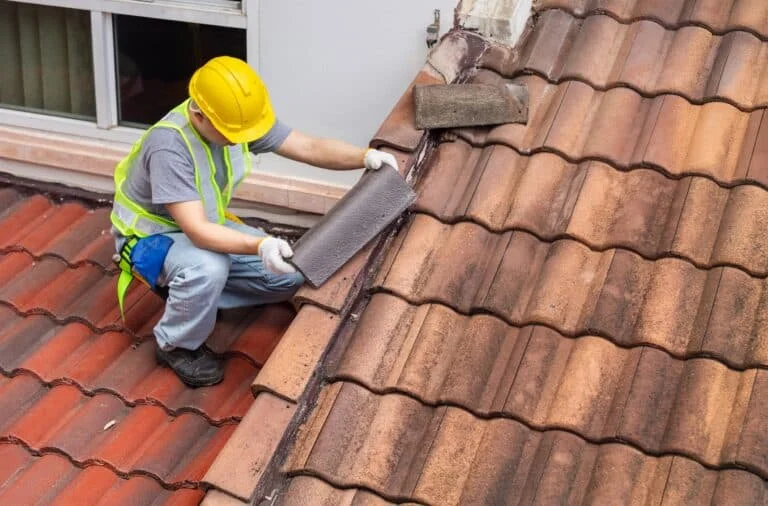
This guide breaks down the most important roofing issues, from maintenance practices and material failures to leak detection and repair techniques, so you can protect your home or commercial building before problems escalate.
How Roof Maintenance Reduces Emergency Repairs
Regular roof maintenance is one of the most effective ways to prevent unexpected leaks and structural damage. Small issues like loose flashing, clogged drains, or cracked sealant often go unnoticed until they turn into active leaks during heavy rain.
Routine inspections help identify:
-
Early-stage membrane wear
-
Minor seam separation
-
Debris buildup in drainage systems
-
Small punctures or surface cracks
By addressing these issues early, property owners can avoid emergency service calls, interior water damage, and costly structural repairs.
Why TPO Roof Coatings Fail When Applied Incorrectly
TPO roofing systems are popular for commercial buildings due to their energy efficiency and durability. However, coating failures are often linked to improper installation rather than material defects.
The most common reason TPO coatings fail is poor surface preparation. If the roof is not properly cleaned and primed, the coating cannot bond correctly, leading to:
-
Peeling or blistering
-
Weak adhesion points
-
Early membrane breakdown
-
Water infiltration under the coating
Proper preparation includes thorough cleaning, moisture testing, and ensuring the substrate is fully dry and contaminant-free before application.
The Importance of Hot-Air Welding in TPO Roofing
One of the most critical steps in TPO installation is hot-air welding. This process fuses seams together using high-temperature air, creating a continuous waterproof barrier.
When done correctly, hot-air welding provides:
-
Strong, durable seam bonds
-
Improved resistance to wind uplift
-
Long-term waterproof protection
However, improper welding such as incorrect temperature settings or rushed application can lead to weak seams. These failures often appear months or years later as slow leaks that are difficult to detect.
Active Roof Leaks vs. Trapped Moisture
Not all roof problems are visible immediately. Understanding the difference between active leaks and trapped moisture is key to diagnosing roofing issues correctly.
-
Active leaks occur when water directly enters the building during rainfall, often showing up as ceiling stains or dripping water.
-
Trapped moisture happens when water becomes sealed within insulation or roofing layers, slowly damaging materials without visible signs.
Trapped moisture is especially dangerous because it can weaken insulation, reduce energy efficiency, and cause hidden structural deterioration over time.
Why Temporary Roof Leak Patches Fail
Temporary roof patches may seem like a quick fix, but they rarely solve the underlying problem. In many cases, they only mask the issue until it worsens.
Common reasons patches fail include:
-
Poor adhesion to damaged surfaces
-
Movement of roofing materials due to temperature changes
-
Ignoring underlying structural damage
-
Short-term sealants breaking down under UV exposure
Long-term repairs involve identifying the root cause of the leak, replacing damaged sections, and properly sealing the system to prevent recurrence.
Overlooked Areas Where Roof Leaks Commonly Start
Many roof leaks begin in areas that are often overlooked during inspections. These weak points include:
-
Roof penetrations (vents, pipes, HVAC units)
-
Flashing around edges and joints
-
Drainage systems and gutters
-
Skylights and roof hatches
-
Seam intersections on flat roofs
Regular inspection of these areas is critical, especially after storms or seasonal weather changes in Tyler, TX.
Roof issues in Tyler properties are often preventable with proper maintenance, correct installation techniques, and early detection. Whether dealing with TPO systems, residential shingles, or flat commercial roofs, understanding how and where failures begin can save thousands in emergency repairs.
FAQ
1. How often should roofs be inspected in Tyler, TX?
Most roofs in Tyler, TX should be inspected at least twice a year, once in spring and once in fall, and after major storms to catch early damage.
2. What is the most common cause of roof leaks?
The most common causes include damaged flashing, worn shingles or membranes, clogged drainage systems, and poorly sealed roof penetrations.
3. Can small roof leaks become major problems?
Yes. Even minor leaks can lead to mold growth, insulation damage, and structural deterioration if not repaired quickly.
4. Why do temporary roof repairs fail?
Temporary patches often fail because they don’t address the underlying issue, and materials degrade quickly under sun, rain, and temperature changes.
5. Is trapped moisture in a roof dangerous?
Yes. Trapped moisture can slowly damage insulation and roofing layers without visible signs, reducing energy efficiency and weakening the structure.If you’re dealing with roof leaks, storm damage, or signs of wear on your property in Tyler, TX, don’t wait until the problem turns into an expensive emergency repair. Early action can save you time, money, and stress by stopping small issues before they spread.
For fast, reliable roof repair and professional inspection services, contact Tyler Roof Repair today at 903-426-1151. Our team is ready to assess your roof, identify hidden problems, and provide long-term solutions that protect your home or business.
Frequently Asked Questions
How often should roofs be inspected in Tyler, TX?
Most roofs in Tyler, TX should be inspected at least twice a year, once in spring and once in fall, and after major storms to catch early damage.
What is the most common cause of roof leaks?
The most common causes include damaged flashing, worn shingles or membranes, clogged drainage systems, and poorly sealed roof penetrations.
Can small roof leaks become major problems?
Yes. Even minor leaks can lead to mold growth, insulation damage, and structural deterioration if not repaired quickly.
Why do temporary roof repairs fail?
Temporary patches often fail because they don’t address the underlying issue, and materials degrade quickly under sun, rain, and temperature changes.
Is trapped moisture in a roof dangerous?
Yes. Trapped moisture can slowly damage insulation and roofing layers without visible signs, reducing energy efficiency and weakening the structure.