How Roof Maintenance Reduces Emergency Repairs for Tyler Property Owners
Roof emergencies rarely happen without warning. Most major roof failures begin as small issues that grow over time. A loose shingle, minor flashing gap, slow drainage problem, or cracked seal may not seem urgent at first. In Tyler, TX and the surrounding areas, heat, storms, humidity, and wind push those small issues into serious damage faster than many property owners expect.
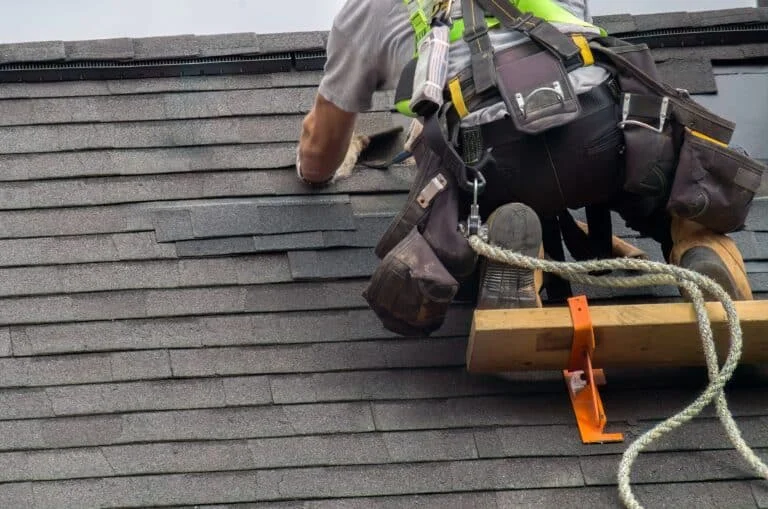
Roof maintenance acts as a prevention plan. Regular inspections and minor repairs help stop emergencies before they disrupt daily life or business operations. Property owners who stay ahead of maintenance often avoid sudden leaks, interior damage, and structural problems that require urgent attention.
This guide explains how roof maintenance works, why it matters in East Texas, and how it reduces emergency roof repairs for homes and commercial buildings.
Why Roof Emergencies Happen in Tyler, TX
Tyler experiences strong storms, high heat, heavy rainfall, and humidity throughout the year. Each of these conditions places stress on roofing systems.
Heat causes roofing materials to expand and contract. That constant movement loosens fasteners, cracks sealants, and stresses seams. Sudden storms test flashing and drainage systems. Wind lifts shingles and pushes rain into small gaps. Humidity traps moisture in areas that lack proper airflow.
Many emergencies begin when a small weakness meets a weather event. A minor gap that survives mild conditions may fail during heavy rainfall. A loose shingle may hold for months before strong wind pulls it away. Roof maintenance identifies and corrects those weaknesses before weather exposes them.
The Hidden Cost of Ignoring Small Roof Problems
Small roof issues rarely stay small. A cracked seal around a vent allows water to seep into insulation. That moisture spreads, weakens decking, and creates mold risk. A clogged gutter backs water up under shingles. A minor seam separation on a flat roof allows water to sit and penetrate slowly.
Property owners often ignore these early signs because no visible leak appears inside. That delay gives damage time to expand. By the time water stains show up on ceilings or walls, the affected area often extends far beyond the original issue.
Roof maintenance stops that cycle early. Minor corrections cost far less stress and disruption than emergency repairs.
What Roof Maintenance Includes
Roof maintenance involves more than a quick glance from the ground. A thorough maintenance visit focuses on areas that commonly lead to emergency calls.
Maintenance often includes:
-
Inspection of shingles, metal panels, or membrane surfaces
-
Checking flashing around vents, chimneys, and walls
-
Clearing gutters, drains, and downspouts
-
Examining roof penetrations and sealants
-
Checking seams on flat and commercial roofs
-
Reviewing attic ventilation and airflow
-
Identifying early signs of moisture intrusion
This approach helps property owners catch issues before storms or heat amplify them.
How Maintenance Prevents Residential Roof Emergencies
Residential roofs in Tyler face sun exposure, falling debris, and storm damage. Small shingle issues often go unnoticed until wind pulls materials loose. Flashing around chimneys and vents tends to crack or shift over time.
Routine maintenance allows professionals to replace loose shingles, reseal flashing, and secure weak areas before storms test them. Gutter cleaning prevents water backup that can damage eaves and fascia boards. Homeowners who schedule maintenance often experience fewer surprise leaks and less interior damage during heavy rain seasons.
How Maintenance Protects Commercial Roof Systems
Commercial properties often rely on flat roofing systems such as TPO, PVC, modified bitumen, EPDM, and other membrane materials. These systems include seams, penetrations, and drainage points that require regular attention.
Standing water on flat roofs creates pressure on seams. Loose flashing around rooftop equipment increases leak risk. Minor punctures from foot traffic or debris allow slow moisture entry.
Maintenance visits identify seam separation, membrane stress, and drainage concerns early. Correcting those issues prevents large-scale water intrusion that disrupts operations and damages inventory or equipment. Business owners benefit from fewer interruptions and more predictable roof performance.
Roof Maintenance and Storm Preparedness
Storm season in East Texas brings wind and heavy rainfall. Roofs that receive regular maintenance perform better during severe weather.
Maintenance strengthens vulnerable areas before storms arrive. Secure flashing resists wind uplift. Clear drainage systems move water efficiently. Reinforced seams on flat roofs reduce failure risk under pressure.
Property owners who maintain their roofs enter storm season with fewer weak points. That preparation reduces emergency repair calls and protects interiors from sudden leaks.
The Role of Inspections in Reducing Emergencies
Many property owners wait until a leak appears before scheduling service. Inspections shift the focus from reaction to prevention.
Regular inspections uncover:
-
Early material wear
-
Small punctures or cracks
-
Sealant deterioration
-
Ventilation problems
-
Drainage blockages
-
Loose fasteners
Addressing these issues early prevents emergency conditions that demand urgent repairs.
Why Roof Maintenance Extends Roof Life
Emergency repairs often focus on stopping immediate damage. Maintenance focuses on long-term performance.
A roof that receives consistent attention stays stronger longer. Materials remain secure. Sealants stay intact. Drainage systems function properly. Insulation remains dry. Energy efficiency improves because wet materials do not compromise temperature control.
Maintenance supports the entire roofing system instead of reacting to individual failures.
When Property Owners Should Schedule Maintenance
Property owners in Tyler benefit from roof maintenance at least twice per year. Spring inspections prepare roofs for summer heat. Fall inspections prepare roofs for storm season and winter moisture.
Additional inspections after severe storms help confirm that wind or hail did not create hidden damage. Staying consistent with maintenance reduces the chance of unexpected roof emergencies.
FAQs About Roof Maintenance in Tyler, TX
How often should roofs receive maintenance in Tyler, TX?
Most roofs benefit from inspections twice per year and after major storms.
Can roof maintenance really prevent emergency leaks?
Maintenance identifies small issues before they turn into active leaks during storms.
Does roof maintenance apply to both homes and commercial buildings?
Yes. Residential and commercial roofs both require regular inspections and upkeep.
What signs suggest a roof needs maintenance soon?
Loose shingles, clogged gutters, visible wear, and minor interior stains signal the need for inspection.
Does maintenance help flat roofs last longer?
Regular maintenance strengthens seams, drainage systems, and flashing, which extends flat roof lifespan.
Call Tyler Roof Repair at for professional roof maintenance and inspections in Tyler, TX and surrounding areas.
Frequently Asked Questions
How often should roofs receive maintenance in Tyler, TX?
Most roofs benefit from inspections twice per year and after major storms.
Can roof maintenance prevent emergency leaks?
Maintenance identifies small issues early, which reduces the risk of sudden leaks during storms.
Does roof maintenance apply to homes and commercial buildings?
Residential and commercial roofs both require regular inspections and upkeep.
What signs suggest a roof needs maintenance?
Loose shingles, blocked gutters, visible wear, and minor stains signal the need for inspection.
Does maintenance extend flat roof lifespan?
Routine maintenance protects seams, flashing, and drainage systems, which extends flat roof life.