
Common Flashing Failures on Tyler Roofs and How Targeted Repairs Fix Them
Flashing protects some of the most vulnerable parts of a roof. While shingles, metal panels, or flat membranes cover wide surfaces, flashing guards the transition points. These areas include chimneys, roof-to-wall connections, valleys, vents, skylights, and edges. In Tyler, TX and the surrounding areas, flashing takes a beating from heat, storms, and humidity throughout the year.
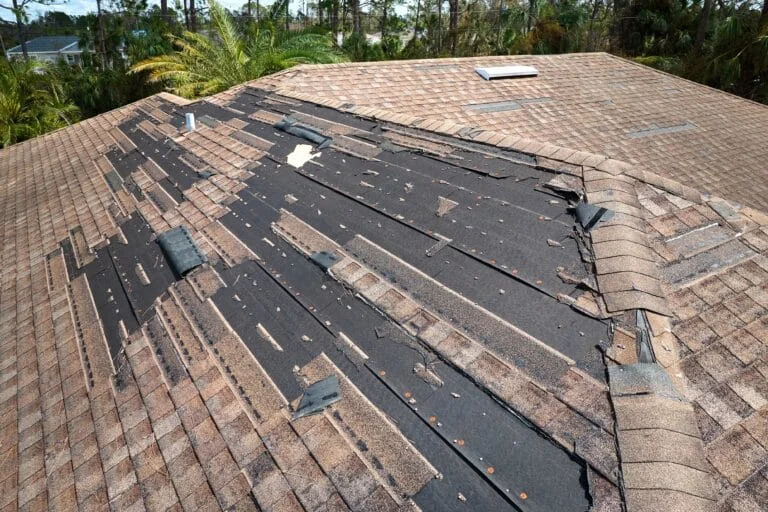
Many roof leaks begin at flashing, not in the main roofing material. Property owners often blame shingles or membrane surfaces, but flashing failures usually cause the real problem. Small cracks or loose edges may not look serious at first. Over time, water works its way in and spreads under the roofing system. Interior stains and moisture damage often appear long after flashing starts to fail.
Understanding common flashing failures helps homeowners and business owners catch issues early. Targeted repairs can correct these problems without replacing large sections of roofing. This guide explains where flashing fails most often in Tyler and how professional roof repair addresses those weak points.
Why Flashing Fails in East Texas Conditions
Tyler weather creates constant stress on flashing materials. Heat causes expansion during the day and contraction at night. That repeated movement loosens fasteners and cracks sealants. Heavy rain pushes water into small gaps. Strong wind lifts edges and pulls flashing away from surfaces. Humidity adds moisture that speeds up wear.
Flashing sits at connection points between different materials. Metal meets shingle. Roof meets wall. Vent meets membrane. Each connection moves slightly over time. That movement creates small separations unless repairs keep everything secure.
Flashing problems rarely happen overnight. They develop slowly until a storm exposes the weakness.
Chimney Flashing Problems
Chimneys require layered flashing systems that direct water away from brick and roofing materials. Step flashing runs along the sides. Counter flashing seals the top edge. Sealant protects joints.
Common chimney flashing failures include:
-
Cracked or missing sealant
-
Loose counter flashing
-
Rusted metal sections
-
Gaps where flashing meets brick
Water often enters behind brick and travels downward before showing inside. Property owners may notice ceiling stains near fireplaces or walls but never suspect chimney flashing.
Targeted repairs involve resecuring loose metal, replacing rusted sections, and resealing joints properly. A focused repair restores the waterproof barrier without disturbing the surrounding roof.
Roof-to-Wall Flashing Separation
Homes and commercial buildings often include roof sections that meet vertical walls. These areas rely on step flashing and counter flashing to guide water downward. In Tyler, heat and settling can pull flashing away from the wall. Sealant dries out. Nails loosen. Water flows behind the flashing during heavy rain and enters the structure.
Leaks from roof-to-wall flashing often appear near upper-level ceilings or interior wall corners. Property owners may patch shingles repeatedly without solving the root problem. Repair crews remove loose flashing sections, secure new flashing properly, and reseal all joints. That direct approach eliminates the entry point and restores protection.
Valley Flashing Wear
Roof valleys channel large amounts of water during rain. Metal valley flashing protects the area where two roof slopes meet. Debris often collects here, which traps moisture.
Common valley flashing issues include:
-
Rust or corrosion
-
Loose fasteners
-
Improper overlap
-
Debris buildup
Water flows heavily through valleys, so even a small defect leads to leaks quickly. Stains may appear along ceilings beneath valley lines. Targeted repair replaces damaged metal, secures overlaps, and clears debris. Reinforcement ensures proper drainage and prevents water from working under shingles.
Vent and Pipe Flashing Deterioration
Plumbing vents and exhaust pipes penetrate roofing systems. Flashing boots seal these openings. Rubber components around pipes crack from sun exposure over time. Once cracks form, rain flows directly into the opening. These leaks often drip into attics and spread across insulation before reaching ceilings.
Many property owners attempt to seal cracked boots with caulk. That fix may hold briefly but often fails under heat and movement. Professional repairs replace damaged flashing boots entirely and ensure tight seals around penetrations. Proper replacement stops recurring leaks at the source.
Edge and Drip Flashing Failures
Roof edges receive constant exposure to wind and rain. Drip edge flashing guides water away from fascia boards and roof decking. Strong wind can loosen edges, especially after storms.
Loose drip edge flashing allows water to creep behind shingles. Wood rot may develop along roof edges before any interior signs appear. Repair teams secure or replace damaged edge flashing and check for hidden wood damage. Strengthening edges reduces wind-related leaks during storm season.
Flashing Issues on Commercial Flat Roofs
Commercial roofs in Tyler often use TPO, PVC, EPDM, or modified bitumen systems. These systems rely on flashing around rooftop equipment, drains, skylights, and wall connections.
Flat roof flashing failures commonly include:
-
Seam separation
-
Loose termination bars
-
Poorly sealed penetrations
-
Membrane shrinkage around flashing
Water may travel under membrane layers before surfacing inside. Business owners may see ceiling stains far from the flashing failure. Targeted commercial repairs secure flashing points, reseal seams, and reinforce penetrations without replacing entire roof sections. This method restores waterproof integrity efficiently.
Why Targeted Flashing Repairs Matter
Flashing repairs focus on the weak point instead of disturbing the whole roof. Replacing large sections of roofing rarely solves flashing-specific issues. A skilled inspection identifies exactly where water enters and corrects that location.
Targeted repair protects surrounding materials. It restores proper water flow. It strengthens vulnerable transitions. Most important, it prevents repeat leaks that stem from overlooked flashing damage.
Property owners in Tyler benefit from early flashing inspections, especially after storms. Catching minor flashing problems prevents larger structural damage later.
Preventing Future Flashing Failures
Routine roof inspections help prevent flashing-related emergencies. Inspections should include:
-
Checking sealant condition
-
Inspecting flashing alignment
-
Looking for rust or corrosion
-
Securing loose fasteners
-
Clearing debris from valleys
Preventive attention keeps flashing secure through East Texas heat and storm cycles.
FAQs About Roof Flashing in Tyler, TX
Why does flashing cause so many roof leaks in Tyler, TX?
Flashing protects roof transitions, and weather stress weakens those areas faster than open roof surfaces.
Can damaged flashing cause leaks far from the chimney or wall?
Yes. Water can travel under roofing materials before showing inside the building.
Does flashing always need full roof replacement?
No. Targeted flashing repairs often correct the issue without replacing the entire roof.
How often should flashing be inspected?
Twice per year and after strong storms helps catch problems early.
What signs suggest flashing failure?
Ceiling stains near walls, chimneys, vents, or valleys often point to flashing issues.
Call Tyler Roof Repair at for flashing inspections and roof repair in Tyler, TX and surrounding areas.
Frequently Asked Questions
Why does flashing cause roof leaks in Tyler, TX?
Flashing protects roof transition points, and weather stress weakens these areas faster than main roof surfaces.
Can damaged flashing cause leaks far from the source?
Water can travel under roofing materials and appear inside far from the flashing failure.
Does flashing damage require full roof replacement?
Targeted flashing repairs often correct the issue without replacing the entire roof.
How often should flashing be inspected?
Roof flashing should be inspected twice per year and after major storms.
What are signs of flashing failure?
Ceiling stains near walls, chimneys, vents, or roof valleys often indicate flashing problems.