


Why Temporary Roof Leak Patches Fail and What Long-Term Repairs Look Like
Roof leaks create stress fast. Water dripping inside a home or business pushes people to act quickly, and many property owners reach for a temporary patch as the fastest solution. Tar, sealant, tape, or spray products often promise a quick fix, and they may stop the leak for a short time. The problem begins when that short-term fix turns into a long-term plan.
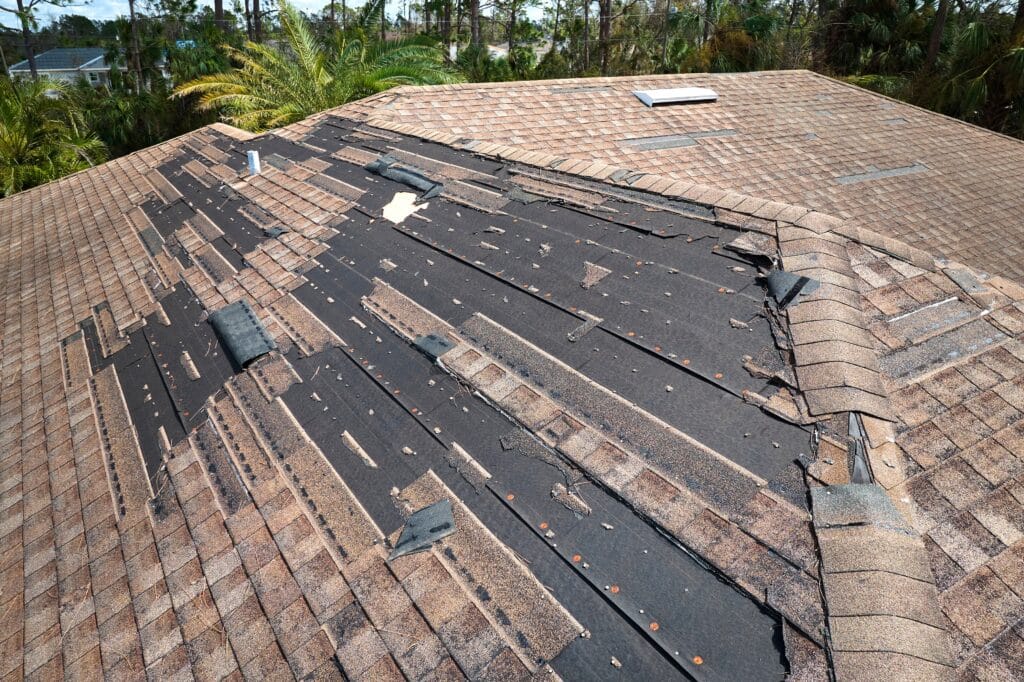
Temporary roof leak patches fail because they do not address the real source of the problem. They sit on top of damage instead of correcting it. Over time, water finds new paths, materials weaken, and the leak returns in a worse form. Property owners across Tyler, TX and the surrounding areas see this cycle often. Understanding why patches fail helps people avoid repeated repairs and move toward solutions that actually protect the building.
This guide explains why temporary roof leak patches rarely hold up and what proper long-term repairs look like for residential and commercial roofs.
Why Temporary Roof Leak Patches Feel Appealing at First
A roof leak creates urgency. Water stains spread quickly, furniture gets damaged, and business operations face disruption. Temporary patches feel attractive because they promise fast relief. Many products claim to seal leaks instantly without special tools or experience.
People often use temporary patches during storms, late at night, or when access to professional help feels limited. Some patches even appear to work at first. Water slows or stops, and the immediate problem seems solved.
That short-term success creates a false sense of security. The patch masks symptoms while the real damage continues underneath.
The Core Problem With Temporary Roof Leak Patches
Temporary patches fail because they treat surface symptoms rather than the cause. Roof leaks usually come from deeper issues such as damaged flashing, failing seams, worn materials, or poor drainage. A surface patch cannot correct these structural problems.
Several factors cause patches to break down quickly:
Lack of Proper Bonding
Most temporary materials do not bond well with roofing surfaces. Heat, moisture, and dirt prevent strong adhesion. As the roof expands and contracts, the patch pulls away and opens new gaps.
Exposure to Sun and Weather
Texas heat weakens patch materials fast. Sun exposure dries out tar and sealants, causing cracks. Heavy rain and wind lift edges and allow water to enter again.
Trapped Moisture Under the Patch
Patching over a wet area traps moisture beneath the surface. That moisture spreads into insulation and decking, causing rot and mold. The patch hides the damage while it grows.
No Reinforcement of Weak Areas
Temporary fixes do not reinforce flashing, seams, or structural elements. Water continues to stress those weak points until failure occurs again.
How Temporary Patches Make Roof Damage Worse
Many people believe patches only fail quietly. In reality, they often make the situation worse. Water that slips under a patch travels farther than before. It spreads across insulation, rusts fasteners, softens decking, and weakens support structures. By the time the leak shows up again, the affected area may cover a much larger portion of the roof.
Commercial buildings face added risk. Water under flat roofing systems can move long distances before appearing indoors. Temporary patches delay proper repair while damage expands unnoticed.
Why Leaks Keep Coming Back After Patching
Recurring leaks frustrate property owners. The same spot leaks again, or water appears somewhere new. This pattern happens because the original entry point never received proper attention.
Common overlooked causes include:
- Damaged flashing around vents or walls
- Failing seams on flat or metal roofs
- Cracked sealants around penetrations
- Poor drainage that allows standing water
- Aging roofing materials that lost flexibility
A patch placed on the surface cannot correct any of these issues. The roof continues to fail until a repair addresses the true source.
What Long-Term Roof Leak Repairs Actually Look Like
Long-term repairs start with understanding the problem. A professional repair focuses on identifying the leak source, evaluating surrounding damage, and restoring the roof system properly.
Thorough Roof Inspection
A real repair begins with a full inspection. This includes checking flashing, seams, drainage points, penetrations, edges, and underlying materials. Moisture detection tools help locate hidden damage.
Removal of Damaged Materials
Long-term repairs remove compromised sections rather than covering them. Wet insulation, rotted decking, and failed sealants get replaced so the roof regains strength.
Correct Repair of the Leak Source
The repair targets the entry point. This may involve resealing flashing, repairing seams, reinforcing penetrations, correcting drainage, or replacing worn materials.
Integration With Existing Roofing System
A proper repair blends into the existing roof. Materials match the roof type and allow natural expansion and contraction. This prevents stress from building around the repair area.
Preventive Reinforcement
Long-term repairs often include reinforcement of surrounding areas. This helps prevent future leaks near the original problem spot.
How Long-Term Repairs Protect Homes and Businesses
Long-term repairs do more than stop leaks. They protect the entire structure.
- Insulation stays dry and effective
- Energy efficiency improves
- Mold risk drops
- Interior damage stops
- Roof lifespan increases
Property owners avoid repeated disruptions and emergency repairs. Businesses maintain operations without water damage setbacks. Homes stay safe and comfortable year-round.
Why Professional Roof Repairs Save Time and Stress
Some people hesitate to move beyond patches because they fear disruption or complexity. In reality, professional repairs often reduce stress by resolving the problem once instead of repeatedly.
Tyler Roof Repair focuses on repair-first solutions that correct damage without pushing unnecessary replacement. The goal stays simple: fix the leak correctly and protect the property long term.
FAQs About Temporary Roof Leak Patches in Tyler, TX
Why do roof leak patches stop working after a short time?
Patches fail because they do not bond well, break down in heat, and fail to fix the source of the leak.
Can temporary patches cause more roof damage?
Yes. Patches trap moisture and allow water to spread under the roof, which increases damage over time.
How do I know whether a leak needs more than a patch?
Recurring leaks, spreading stains, or musty odors suggest deeper damage that needs professional repair.
Do long-term roof repairs always require full replacement?
No. Many leaks need targeted repairs that restore problem areas without replacing the entire roof.
How soon should a leaking roof receive professional attention in Tyler, TX?
Early attention prevents widespread damage. Scheduling an inspection soon after a leak appears reduces repair scope.
Call Tyler Roof Repair at 903-426-1151 for long-term roof leak repairs and inspections across Tyler TX and surrounding areas.